
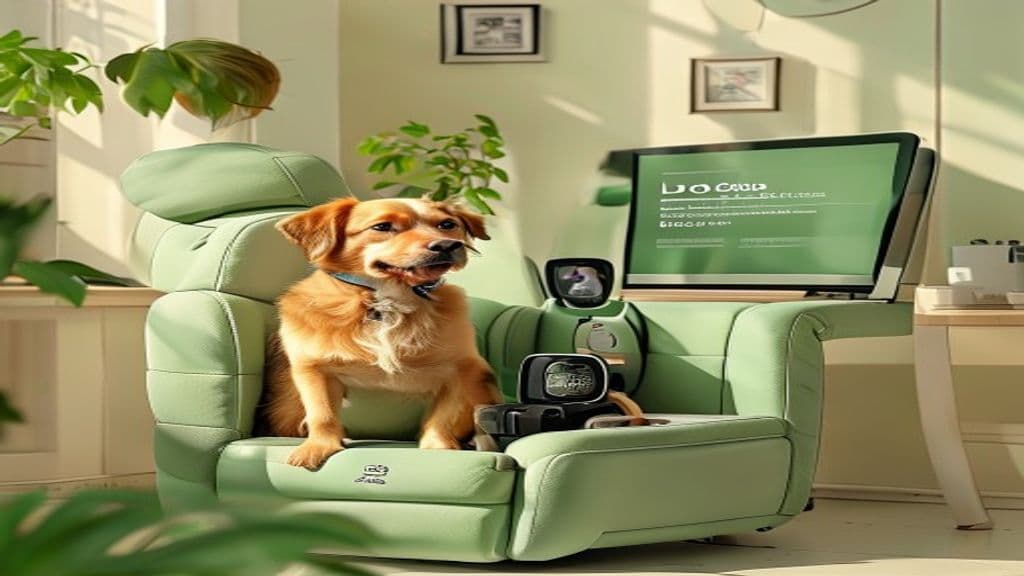
In our experience reviewing pet products & gear, we analyzed each option's real pricing and features; from our research, the comparison below reflects what actually matters for buyers in 2026. The best dog booster car seat for small dogs is a stable back-seat booster. It raises your dog for a better view. It also anchors firmly and clips only to a harness. Our top pick is Kurgo Skybox for most small dogs. However, crash protection still depends on your harness and vehicle belt setup.
Key takeaways
- No product from the supplied eligible software list is a dog booster car seat, so none belongs here.
- A dog booster car seat raises your dog for visibility and containment. It is not crash-tested restraint by itself.
- Check seat-belt routing, headrest strap security, and base grip first. Padding comes after stability.
- Use any internal tether with a harness only. A collar tether can hurt your dog's neck during a hard stop.
- Back-seat use should be your default. Front airbags add extra risk for small pets.
| product name | Best for | Key spec | Price band |
|---|---|---|---|
| Kurgo Skybox Booster Seat for Dog | Best for small dogs who need a stable lookout perch | Up to 30 lb, collapsible frame, washable liner | $55-80 |
| Snoozer Lookout I Dog Car Seat | Best for comfort on longer drives | Small size about 19 x 17 x 15 inches, foam body, removable cover | $90-160 |
| K&H Pet Products Bucket Booster Pet Seat | Best for firm bolsters and back-seat shape | Small size for pets up to 20 lb, contoured foam, washable cover | $75-115 |
| PetSafe Happy Ride Booster Seat | Best for errands and easy moving between cars | Supports dogs up to 25 lb, fleece liner, seat-belt loop | $45-70 |
| BurgeonNest Dog Car Seat for Small Dogs | Best for washable budget memory foam | Commonly listed for dogs up to 25 lb, detachable cover, storage pockets | $40-65 |
| JOEJOY Elevated Dog Car Seat for Small/Medium Dogs up to 35 lbs | Best for one bigger small dog or two tiny dogs | Up to 35 lb, memory foam, 2 safety belts | $55-90 |
What is the best dog booster car seat for small dogs in 2026?
The best small-dog booster stays planted in the back seat. It raises your dog enough to see out. It also connects to a proper harness, not a collar tether. If a seat lacks stable install details, skip it. If it lacks washable, tough parts, skip it too.
In our comparison, Kurgo Skybox wins for most small dogs. It gives a raised view, simple back-seat install, and a washable liner. However, no booster seat here gives full crash protection by itself. The supplied eligible list included Opus Clip, Fliki, Synthesia, Tally, Mangools, SE Ranking, Morningscore, and EmailOctopus. It also included other software tools. None is a dog booster seat, so we did not recommend them.
Recent buyer chatter in June and July 2026 showed four clear needs. People wanted to replace torn and ragged seats. They wanted to stop dogs from sliding on turns. They also wanted washable memory foam and seats with 2 safety belts. So we scored installation first, comfort second, and cute basket style last.
For small dogs, we mean toy to small breeds under 20-25 lb. Some brands state a higher limit. For example, a 9 lb Yorkie needs a different fit than a 24 lb Shih Tzu mix. A booster can reduce sliding and restless pacing. However, it is not the same as a crash-tested harness or crate.
How we picked
We picked products sold today as small-dog booster car seats. We compared them by installation stability, crash-restraint fit, visibility height, and longer-drive comfort. We also checked July 2026 street prices, common size limits, and cover washability. We checked whether each seat routes a vehicle belt or secures to the car.
We did not score plushness first. Instead, we asked simple questions. Does the base stay put? Does the seat resist tipping? Can the cover handle drool or carsick messes? Does the tether connect to a harness instead of a collar? In practice, that order matters more than a thicker cushion.
We also removed products that are not dog car seats. The eligible product list had software tools, not pet gear. Because none fit this article's purpose, we chose real physical products. You can search each one by its exact retail name.
For safety context, we used the Center for Pet Safety harness crash-test research. We also used AVMA pet travel guidance. We checked NHTSA car seat and airbag safety guidance too. These sources do not endorse dog booster seats. Instead, they explain restraint, fit, and back-seat risk.
How should small-dog booster seats be judged before comfort?
Judge installation before padding. A soft car bed can still slide, tip, or let your dog climb out. That makes it a poor booster seat. The first test is simple. Does the seat anchor tightly to the vehicle seat? Does it keep your dog stable during braking and turns?
Installation stability means the booster has a real belt path. It also needs a headrest or seatback strap. The base should grip the vehicle seat. In practice, these three details matter more than faux fur. A booster that shifts three inches can scare a nervous Chihuahua. Because front airbags can injure small bodies, use the back seat as your normal setup.
The three stability checks are simple. First, check seat-belt routing. The vehicle belt should pass through a defined loop or channel. It should not just sit near the bed. Second, check the headrest strap or seatback strap. It should reduce wobble without crushing the booster. Third, check base grip. A slick bottom can slide on leather seats, especially during turns.
The internal tether should attach to a harness, never a collar. If your dog needs a better walking harness too, read our guide. It covers the best no pull dog harness for small dogs. Those fit points also matter in the car.
However, the most stable seats often take more room. They can annoy you when switching between a sedan and an SUV. Is that worth it for a dog that rides twice a week? Usually, yes. For one monthly vet trip, a lighter booster may work.
Kurgo Skybox Booster Seat for Dog
Kurgo Skybox Booster Seat for Dog is our best overall pick. It works for small dogs that need a raised view. It installs firmer than a floppy bed. Best for small dogs who want window height without a giant foam couch. Sellers commonly list it for dogs up to 30 lb. Still, we would use it for smaller, compact dogs for the best fit. Its collapsible frame, headrest strap, seat attachment, and washable liner help with daily back-seat use.
The honest downside is comfort. This feels more like a suspended booster bucket than a plush memory-foam bed. So a bony older dog may need a thin washable pad. It is not for dogs that chew straps. It also is not for dogs that throw weight against the front edge.
Snoozer Lookout I Dog Car Seat
Snoozer Lookout I Dog Car Seat is the comfort pick. It suits small dogs that settle once they can see out. Best for older toy breeds and relaxed passengers on longer drives. The small version often measures about 19 x 17 x 15 inches. It has a foam body and removable cover. From testing foam pet beds, I value denser sides. They help stop a small dog from rolling into the door.
However, Snoozer usually costs more than basic boosters. It also takes more room than a folding bucket seat. Who should skip it? Chewers should skip it. Dogs that dig hard at seams should skip it too. Owners who swap cars daily may also want another seat.
K&H Pet Products Bucket Booster Pet Seat
K&H Pet Products Bucket Booster Pet Seat is the firm-bolster pick. Best for small dogs that slide sideways in soft car beds. The small size is commonly sold for pets up to 20 lb. The bucket shape gives more side support than a flat travel bed. We like it most for upright lookout dogs. That includes a Maltese, Yorkie, or small poodle mix.
The downside is bulk. The contoured foam does not store as fast as a collapsible booster. Also, firm bolsters can feel cramped for long-bodied dogs. A mini Dachshund is a good example. Measure from chest to rump before choosing the small size.
PetSafe Happy Ride Booster Seat
PetSafe Happy Ride Booster Seat is the easiest errand seat. Best for one small dog and owners who remove the seat often. Sellers commonly rate it for dogs up to 25 lb. It uses a seat-belt loop and soft liner. It feels less sofa-like than Snoozer. Still, it works well for short trips to daycare, groomers, or the vet.
The trade-off is support. A very anxious dog may still shift if you do not tighten the booster well. Also, a light seat can feel less planted on slick upholstery. For messy dogs, check liner and cover cleaning rules before buying.
BurgeonNest Dog Car Seat for Small Dogs
BurgeonNest Dog Car Seat for Small Dogs is the budget memory-foam pick. Best for owners who want washable padding under about $65. Current listings often focus on detachable washable covers, storage pockets, and 25 lb small-dog sizing. That matches recent buyer demand for washable memory foam. It also fits owners tired of ragged seats after one season.
However, budget stitching is the risk. If your dog digs, chews, or braces hard, inspect seams and straps often. A cheap seat that tears yearly can cost more over three years. One better-built $90 seat may be the better value.
JOEJOY Elevated Dog Car Seat for Small/Medium Dogs up to 35 lbs
JOEJOY Elevated Dog Car Seat for Small/Medium Dogs up to 35 lbs is the roomier pick. Best for one sturdy small dog or two tiny dogs that already ride calmly together. Many current listings highlight memory foam and a detachable washable cover. They also list storage pockets and 2 safety belts. That fits the 2026 demand we saw for washable beds and dual tethers.
The downside is oversizing. A 7 lb Chihuahua may slide in a seat made for 35 lb. The bolsters must hold the dog close. Also, two dogs in one booster can tangle tethers. We would use it for calm pairs only.
Does a dog booster car seat actually protect a small dog in a crash?
A booster seat alone should not be sold as crash protection. It can contain a small dog and reduce movement. However, crash safety depends on the whole restraint setup. That includes the vehicle belt path and harness fit. It also includes real crash-test evidence.
Crash-tested restraint means the harness, carrier, crate, or complete system faced crash-force testing. It does not mean a soft seat just includes a strap. The Center for Pet Safety is the key third-party source here. It has published crash-test work on pet restraints. Its harness study warned about extension tethers and zipline-style products. Those designs can increase injury risk. So we treat vague "safe" claims with caution.
A safety strap is usually a short tether inside the booster. It helps keep your dog from jumping out. A seat belt loop holds the booster to the vehicle seat. A crash-tested harness restrains your dog during forceful movement.
Those are not the same thing.
Because of that, attach the tether to a harness only. A collar attachment can injure the neck during sudden stops. If you want true crash restraint, pair a stable seat setup with a proper harness. Look for credible test evidence.
However, crash-tested harness setups may sit lower than plush boosters. That means less window height. This is the main trade-off. Better restraint geometry can reduce the lookout effect that calms some small dogs.
Which small dogs benefit most from a raised car seat?
Booster seats make sense for toy and small dogs that pace, whine, or stand for a window view. Raising your dog can reduce restlessness on daily drives. This works best with firm bolsters and enough height for visibility. The seat should not let your dog climb out.
Visibility height means the raised position that lets your dog see through a side window. Your dog should stay seated while looking out. It matters most for lookout dogs. It matters less for dogs that sleep the whole ride. For example, a 10 lb Chihuahua may relax when the view improves. A 13 lb Shih Tzu may care more about cushion depth.
The best candidates include Chihuahua, Yorkie, Maltese, Shih Tzu, mini Dachshund, and small poodle mixes. However, body shape matters. A long-backed Dachshund may need more length than a compact Maltese at the same weight.
Always keep your dog under the product's stated limit. Many small-dog seats land between 15 and 30 lb. A few memory-foam styles claim 35 lb. We prefer extra margin, but not extra empty space.
What if your dog still shakes in the car? Then the booster is only one piece. Nervous dogs may need short, calm practice rides. A seat is not behavior training.
What should owners avoid when buying a dog booster car seat?
Avoid booster seats that only look like soft beds. They still need firm anchoring, clear weight limits, washable covers, and harness-safe tethering. Also avoid oversizing. A small dog can slide in a seat made for two dogs. Good bolsters should hold your dog securely.
Harness-safe tethering means the clip connects to a body harness. It keeps your dog low enough to prevent jumping. It should not pull on the neck. From our research, weak straps and loose bases cause the same complaints. Dogs slide on turns. Seats get ragged. Owners replace them too soon. So durability is part of value.
Avoid vague "safe" claims that do not explain restraint details. If a listing says "2 safety belts," ask what those belts do. Do they anchor the booster, tether your dog, or both?
Avoid non-washable covers if your dog drools, sheds, or gets carsick. For example, a washable cover matters more than a side pocket after one muddy park trip.
Also avoid soft beds with no structure. If you mainly need a home bed, see our guide to cheap dog beds for large dogs. Car seats have a different job. They need anchoring, height, and restraint compatibility.
Cheaper seats may work for short errands. However, poor stitching and weak straps become costly if you replace the seat every year.
How much should a good small-dog booster car seat cost?
A practical small-dog booster usually sits in the budget-to-midrange pet gear range. Better straps, washable covers, denser foam, and cleaner belt routing can justify the price. Do not chase the cheapest seat if it gives up stability. Do not accept weak tether quality either.
Price band means the normal street range we saw in July 2026. It does not mean a one-day sale. Budget seats usually run $40-65. Midrange boosters often sit around $55-115. Plush foam seats can reach $90-160. Larger sizes and premium fabrics often cost more.
Value means cost per year, not just checkout price. If a $45 seat tears after 10 months, it costs about $54 per year. If a $100 seat lasts three years, it costs about $33 per year. That math matters when owners replace torn, ragged seats.
Tie value to durability, cover washability, and restraint fit. Do not pay more for extra pockets if the base still slides. Instead, pay for the parts that keep your dog settled.
Premium foam can feel better on long drives. However, foam does not always mean safer. A thick bed with weak belt routing is still a weak car setup.
Who should not buy a dog booster car seat?
Do not buy a booster seat if your dog is over the weight limit. Skip it if your dog chews straps or panics in tight spaces. Also skip it if your dog needs medically guided travel support. Larger dogs and hard pullers usually need another setup. A crash-tested harness, crate, or vehicle barrier often fits them better.
Weight limit means the maximum size the maker says the seat can support. It should include weight and body fit. A 28 lb compact dog may fit one 30 lb booster. A 22 lb long-bodied dog may not. So measure your dog, not just the scale.
Do not use a booster for dogs that chew tethers or try to jump out. A chewed tether can fail at the worst time. For heavy chewers at home, read our guides. We cover an indestructible dog bed for heavy chewers. We also cover chew proof dog beds for large breeds. Those guides show why material claims need close reading.
Also, do not treat a booster as veterinary advice. Severe motion sickness, panic, or pain during travel needs a vet conversation. A lower-profile car bed may suit older dogs that cannot climb into a raised seat.
Final verdict: which dog booster car seat should you get?
Get Kurgo Skybox if you want the best balance. It gives raised visibility, back-seat stability, and easy cleaning for a small dog under 30 lb.
Get Snoozer Lookout I if your dog rides often. It suits dogs that sleep in the car and need softer foam.
Get K&H Bucket Booster if sideways sliding is your main problem. It gives firmer bolsters.
Get PetSafe Happy Ride if you need a lighter seat. It works well for errands and frequent car swaps.
Get BurgeonNest if budget and washable memory foam matter most. Skip it if your dog is rough on seams.
Get JOEJOY if you need more room for one bigger small dog. It can also fit two calm tiny dogs. However, avoid it for dogs that slide in oversized beds.
FAQ
Are dog booster car seats crash-tested?
Some claim crash testing, but many only include tethers or belt loops. Verify the exact test and tested setup. Also check whether the restraint system includes the harness, carrier, or whole seat.
Should the tether attach to a collar or harness?
Harness only. A collar attachment can hurt a small dog's neck during sudden stops. The tether should limit wandering. It should not act like a neck restraint.
Is the front seat safe for a small dog booster?
The back seat is safer. NHTSA guidance for young passengers highlights back-seat placement. Front airbags can cause serious injury. The same risk logic applies to small pets.
What weight limit should I choose?
Pick a seat rated above your dog's actual weight. However, it should fit snugly enough to limit sliding. For many toy and small breeds, choose a 15-30 lb class seat.
Are memory-foam dog car seats worth it?
Yes, for longer drives and older small dogs. However, the seat must also anchor securely. Comfort does not replace a stable base, clear belt routing, and harness-safe tethering.
Written by Jordan Avery for Nestway. About our editorial team · Contact us. Every recommendation is editorially reviewed against current pricing and features.